The Efficiency Trap
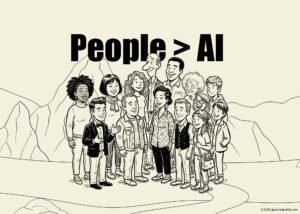
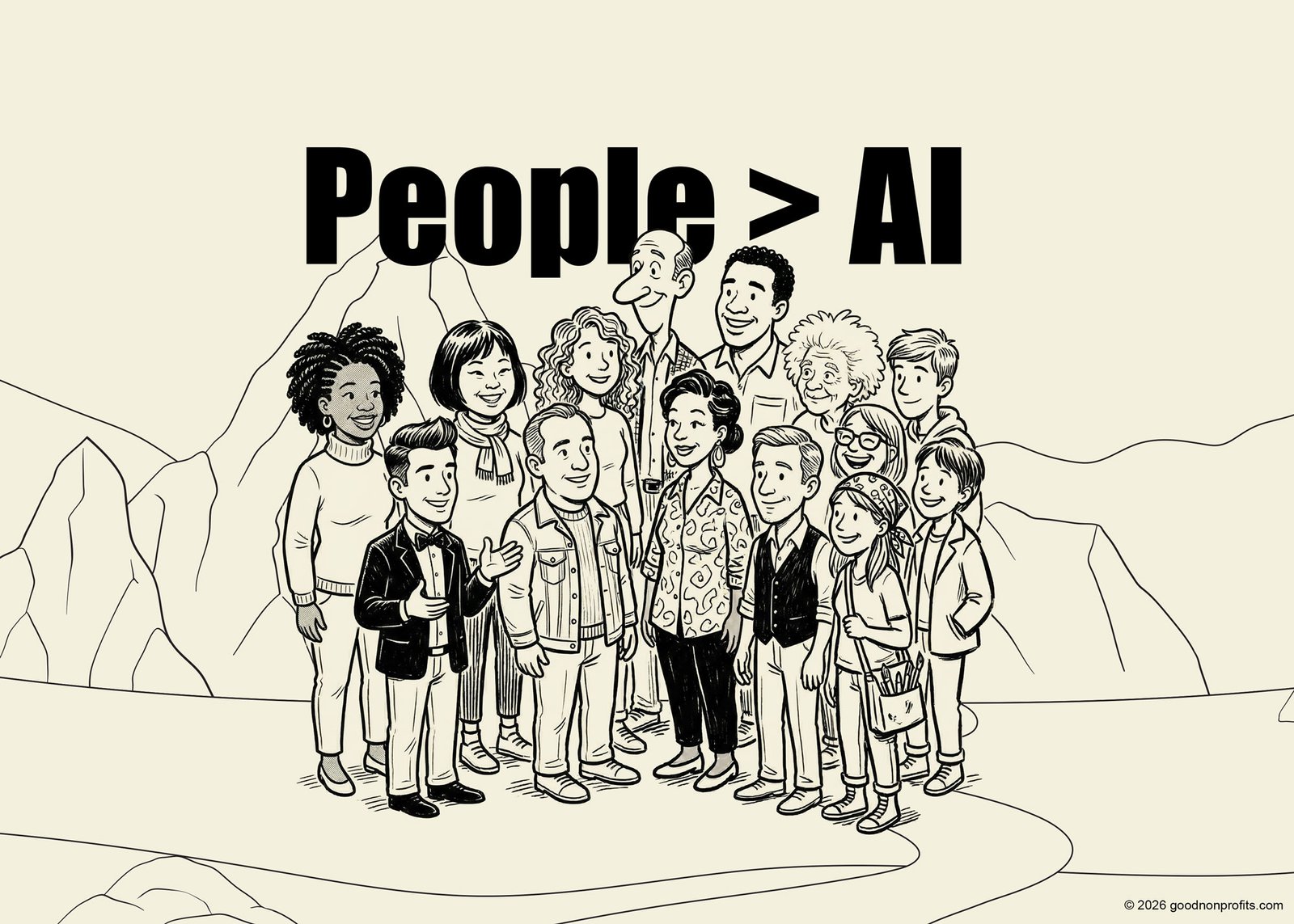
The nonprofit sector is currently chasing the wrong ghost. While executive suites are preoccupied with how generative AI might automate empathy and scale impact, they are ignoring the most significant market inefficiency in their own hallways. It is a tempting preoccupation in an era of rapid technological disruption, but it is a strategic error. Right now, the greatest opportunity for nonprofits isn’t AI; it’s people.
The Labor Windfall
We are witnessing a rare moment of structural realignment in the labor market. As the private sector and government agencies undergo aggressive restructuring, a surge of highly skilled, mission-ready professionals is entering the market, looking for two things: stability and purpose. For the savvy nonprofit, this isn’t a crisis to observe; it’s a talent arbitrage opportunity.
Yet, most organizations are structurally incapable of seizing it. Instead of a “buy” strategy for high-caliber talent, nonprofits default to a “starvation” model: understaffing, underpaying, and overleveraging the assets they already have. The result is a predictable destruction of value through burnout and churn.
The Cost of the “Revolving Door”
Consider the fiscal absurdity of the current model: organizations invest heavily in “Leadership” and “Development” while the frontline program staff (the literal revenue-generators of social impact) cycle in and out like seasonal retail workers. When your development team is unhappy and your program staff starts becoming transient, your institutional knowledge doesn’t just erode; it evaporates. This isn’t a “human resources” hiccup; it is a fundamental failure of the business model. The technology problems that nonprofits have are dwarfed by team dynamics and talent allocation problems. The biggest leakage of energy is an employee planning an exit or even harboring sentiments of wishing for a better job.
Ending the “Passion Tax”
The fix requires a top-to-bottom audit of organizational capacity. We must move past surface-level reviews to a genuine assessment of where the “human infrastructure” is failing the mission. This leads to a shift that many boards find uncomfortable: You must pay people more.
Nonprofits have long operated on the cynical assumption that a meaningful mission is a substitute for a competitive salary. While that may have been a viable discount in the past, in 2026, it is economically unsustainable and, frankly, ethically bankrupt. Using people up until they are spent is not a “lean” operating model. It is a predatory one. It is especially indefensible in charity organizations.
Retaining the Asset
Retention is the new recruitment. We must stop viewing staff as “overhead” to be minimized and start viewing them as long-term assets to be protected. This means:
The Competitive Edge
There is a pervasive fear among boards that if you invest too much in your people, they will become more attractive to poachers. If that is your reality, the problem isn’t the investment; it’s the culture. Organizations that prioritize their people create an environment where individuals stay not because they lack exit options, but because staying is the superior career choice.
In this moment of workforce disruption, we have a rare window to rethink the nonprofit org chart. This is the moment to consider a total reallocation of resources toward human capital. The organizations that act now will be the resilient leaders of tomorrow. The ones that don’t will continue to chase marginal efficiency gains through AI, while good people continue to walk out the door.
Find good people. Invest in them. Empower them. And pay them more than the bare minimum they’ll accept to stay alive.